Are You Worried About Your Career ? Explore Our Job Leading Courses with 100% Placement. Request a CallBack

Become an Advanced Drone Dev Engineer
Build Autonomous & AI-Powered UAV Systems

A 3-month advanced drone engineering program focused on AI, autonomy, flight firmware, vision systems, and DGCA-aligned operations. Designed for learners who want deep technical mastery and industry-grade expertise.
Drone Dev Engineer Training

Course Overview

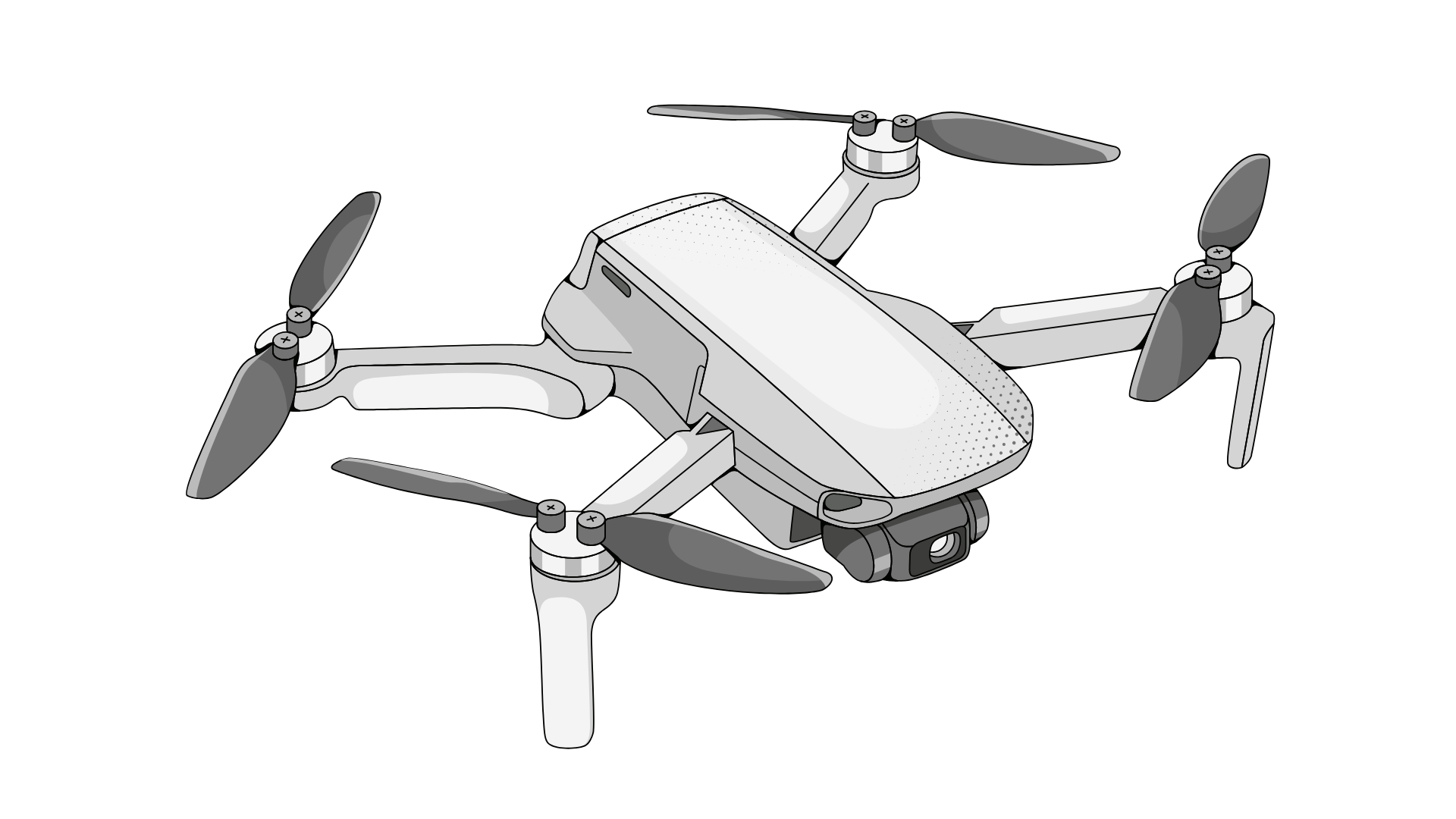
The Advanced Drone Dev Engineer with AI & DGCA Licence program is an intensive 3-month technical course designed to train professionals in autonomous UAV systems, AI-based navigation, drone firmware, computer vision, and commercial drone operations.

This program goes beyond basic drone assembly and focuses on PX4 / ArduPilot firmware, MAVLink communication, AI vision, SLAM, multi-drone coordination, payload systems, and real-world industry deployment scenarios.

AI-Powered Drone Systems

Vision-based navigation, object detection, SLAM, and autonomy using Python

Firmware & Flight Software

PX4, ArduPilot, MAVLink, GCS tools, tuning, and flight testing

Autonomous & Multi-Drone Operations

Waypoints, obstacle avoidance, swarming, and mission planning

Course Details

Duration 3 Months
Level Advanced
Batch Size Max 15
Schedule Flexible
Language English / Hindi
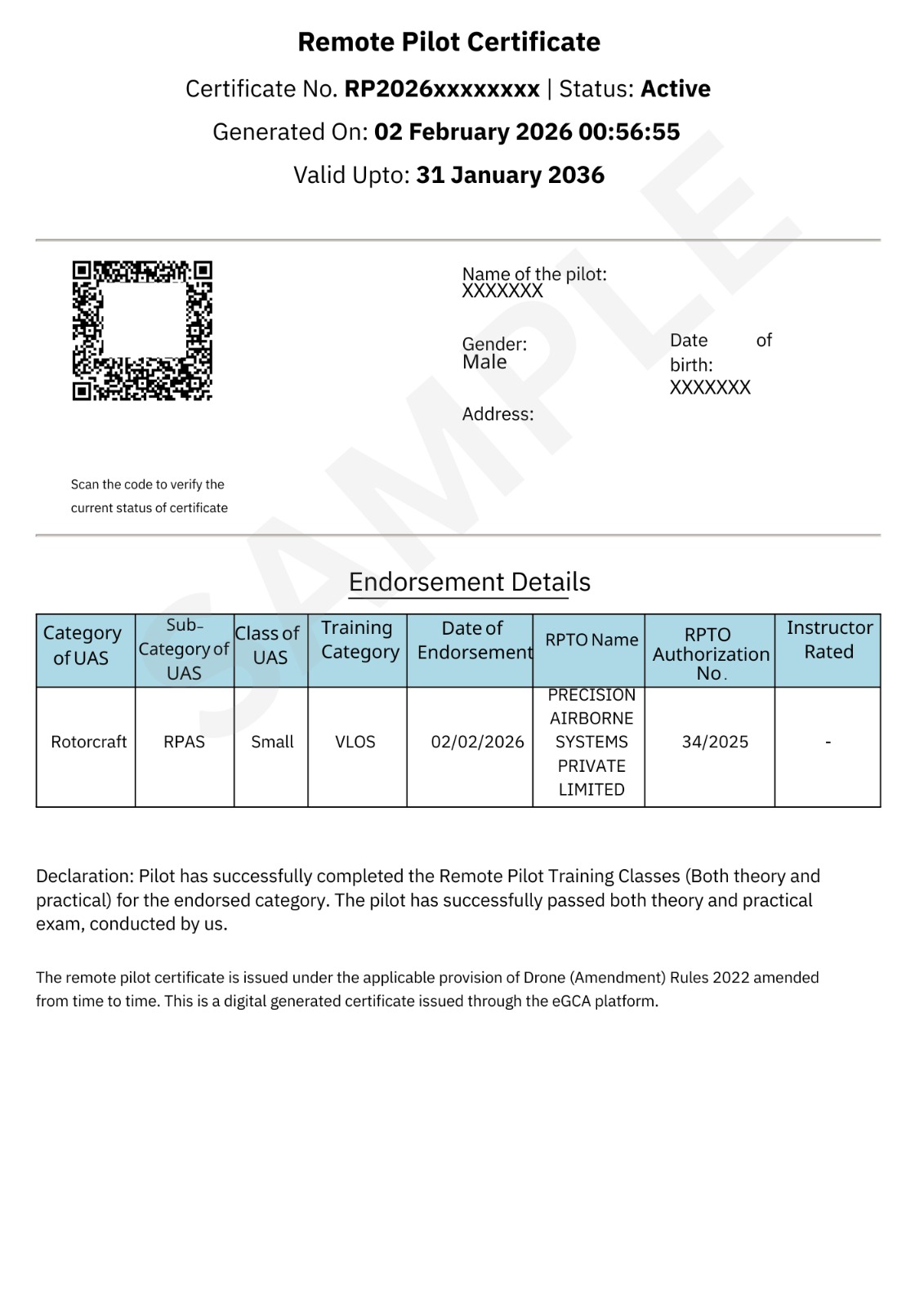
Certificate Advanced Certification
Price ₹41,999 + GST

Accommodation charges extra

Why Should You Take This Course?

Build deep technical expertise and become industry-ready in drone engineering

Rapidly Growing Industry

UAV and drone engineering is one of the fastest-growing tech sectors with demand across defense, agriculture, logistics, and AI.

High-Paying Engineering Roles

Drone engineers earn ₹6–15 LPA with strong growth in R&D, automation, and AI-integrated UAV systems.

Multiple Technical Career Paths

Work as UAV design engineer, flight control engineer, AI drone developer, or start your own drone startup.

DGCA & Regulatory Knowledge

Learn airspace rules, certifications, and compliance essential for legal drone development and operations in India.

Beginner Friendly, Industry Ready

Designed for students and professionals with no prior drone experience—concepts start from fundamentals.

Advanced & Future Technologies

Work on AI-based navigation, computer vision, autonomous flight systems, and smart UAV architectures.

Industry Exposure & Networking

Get exposure to real-world drone projects, industry tools, and connect with professionals in the UAV ecosystem.

Proven, Practical Curriculum

Curriculum designed by drone engineers covering hardware, firmware, AI, and real-time flight systems.

Course Curriculum

Step-by-step engineering-focused drone development training

Module 1: Introduction to Drone Technology

  • History and evolution of drones
  • Types of drones and real-world applications
  • Core components of a drone system
  • Current drone industry landscape
  • Future trends in UAV technology

Module 2: Drone Frames

  • Mechanical Frame Design Principles
  • Frame Materials Selection Criteria
  • Design Optimization Strategies
  • Manufacturing Considerations

Module 3: Propulsion Systems

  • Motor Terminologies, principles and Selection
  • Electronic Speed Controllers (ESCs)
  • Propeller Design and Selection
  • System Integration and Optimization

Module 4: Power System & Battery Design

  • Battery Terminologies with respect to uav’s
  • Power Budgeting
  • Battery Configuration and Pack Designing
  • Battery Management Systems concepts
  • Charger types, charging safety &Charging mechanisms

Module 5: Sensor Integration

  • Inertial Measurement Unit (IMU) Systems
  • Barometric Pressure Sensors
  • Compass and Magnetometer Systems

Module 6: GPS THEORY

  • Geo-positioning concepts, HDOP, VDOP, clock error calculations
  • Trilateration vs triangulation in GPS signals
  • GNSS errors, RTK mechanisms, GNSS constellations

Module 7: Communication Systems and Telemetry

  • Radio Frequency Communication Fundamentals, types, and comparison
  • Telemetry and Data Transmission
  • Video and Imaging Systems
  • Internet Integration and Connectivity
  • Security and Anti-Jamming Technologies

Module 8: PID Control Theory for Flight Control Systems

  • PID Control Theory Fundamentals
  • PID Tuning for Flight Control
  • Practical Implementation Considerations
  • Troubleshooting Common Issues
  • Safety and Certification Considerations

Module 9: Attitude Estimation and Sensor Fusion for Flight Control Systems

  • Introduction to Attitude Estimation
  • Coordinate Systems and Reference Frames
  • Inertial Sensors and Measurement Principles
  • Sensor Fusion Fundamentals
  • Practical Implementation Considerations
  • Performance Evaluation and Testing

Module 10: Flight Modes and Stabilization Systems

  • Fundamental Control Modes
  • Autopilot Systems and Modes
  • Fly-by-Wire Control Systems
  • Stability Augmentation Design
  • Mode Management and Logic
  • Flight Phase-Specific Modes
  • System Integration and Architecture

Module 11: Autonomous Navigation Systems

  • GPS-Based Navigation and Waypoint Systems
  • Obstacle Detection and Avoidance Techniques
  • Path Planning Algorithms for UAVs
  • Indoor Navigation and Positioning Systems
  • Vision-Based Navigation Methods

Module 12: Specialized Payload Systems and Regulations

  • Gimbal Systems and Camera Stabilization
  • Delivery and Release Mechanisms
  • Sensor Payloads for Data Collection, thermal and multispectral imaging
  • Spraying and Precision Application Systems
  • Payload Integration with Flight Systems
  • Custom Payload Development for Special task

Module 13: Drone Assembly and Flight onsite Practical

  • Prepare and Mount the Motors
  • Install and Configure ESCs
  • Mount Flight Controller and Basic Wiring
  • Install FlySky FSi6 Receiver and Radio Setup
  • Software Configuration and Motor Testing
  • Final Assembly and Pre-Flight Checks

Module 14: Regulations and Operations

  • Airspace Regulations and Classification
  • Certification and Registration Requirements
  • Flight Planning and Risk Assessment
  • Remote ID and Tracking Compliance
  • Privacy and Security Considerations
  • Commercial Operations Management

Module 15: Drone Firmware and Software

  • Open-Source Autopilot Systems (PX4, ArduPilot)
  • MAVLink Protocol and Communication Standards
  • Ground Control Station Software
  • Firmware Configuration and Customization
  • Python Integration for Drone Control
  • Flight Testing and Parameter Tuning

Module 16: Autonomous Navigation Systems

  • GPS-Based Navigation and Waypoint Systems
  • Obstacle Detection and Avoidance Techniques
  • Path Planning Algorithms for UAVs
  • Indoor Navigation and Positioning Systems
  • Vision-Based Navigation Methods
  • Multi-Drone Coordination and Swarming

Module 17: Drone Vision and Perception

  • Camera Systems and Integration
  • Computer Vision for Drones using Python
  • Object Detection and Tracking from UAVs
  • SLAM (Simultaneous Localization and Mapping)
  • Depth Perception and 3D Environment Mapping
  • Thermal and Multispectral Imaging Systems

Module 18: Data Management and Analysis

  • Telemetry Data Extraction and Flight Log Analysis
  • Real-Time Data Transmission Systems
  • Photogrammetry and 3D Model Generation
  • Mission Data Analysis using Python

Module 19: Advanced Drone Development

  • Customised Drone Fabrication
  • Optimization of Drones for Long-Range Missions
  • Specialized Drone Development (Racing, Agriculture, Inspection)
  • Advanced Autonomous Features Implementation
  • Integration with IoT and Smart Systems
  • Industry-Specific Application Development

What You’ll Receive

A structured learning experience designed to build strong fundamentals, hands-on capability, and industry readiness in drone engineering.

Advanced drone engineering & AI study material
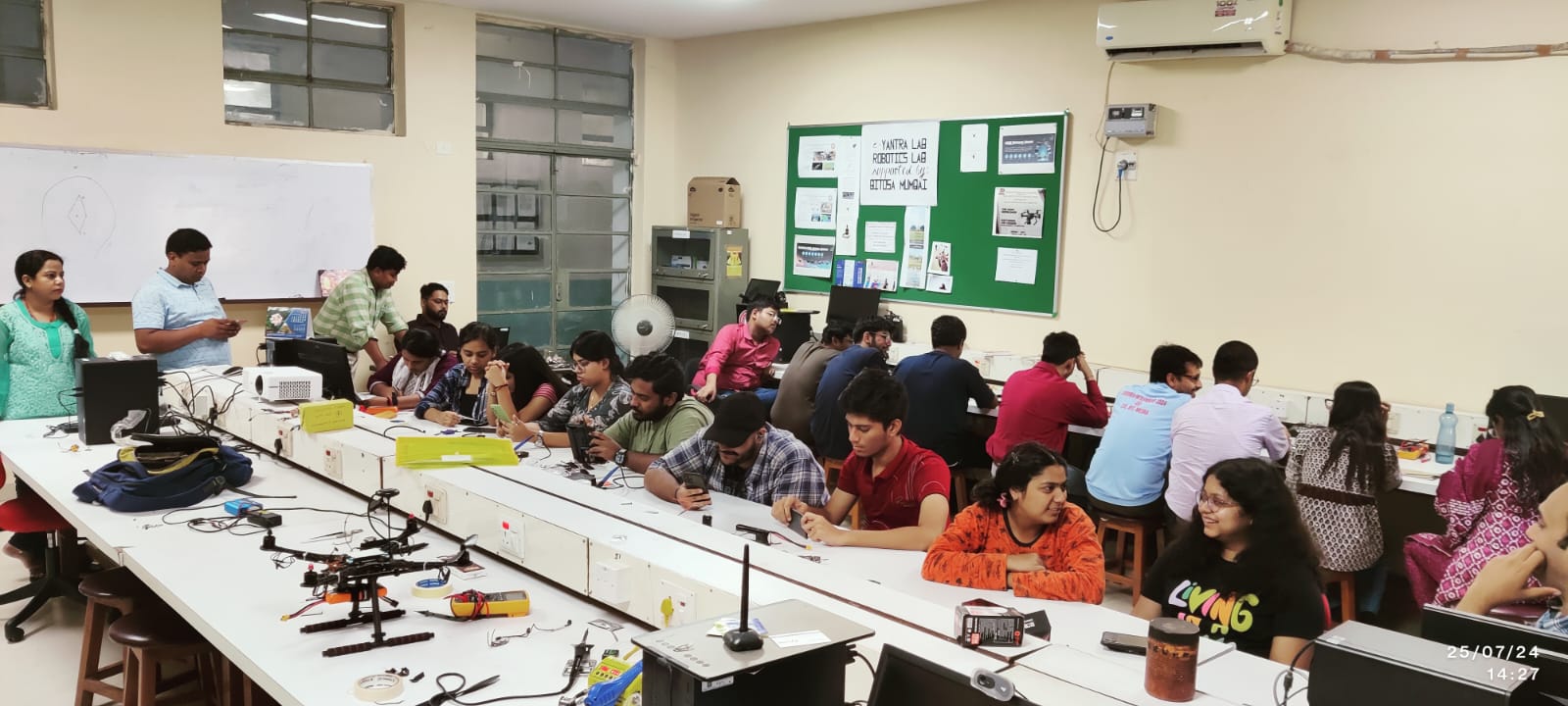
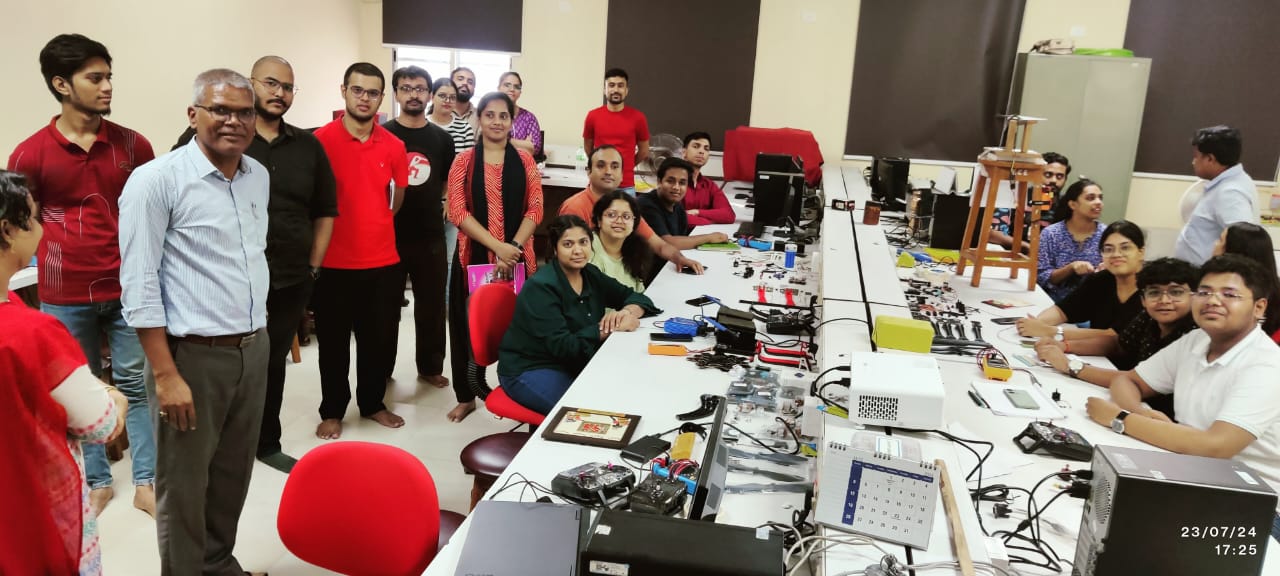
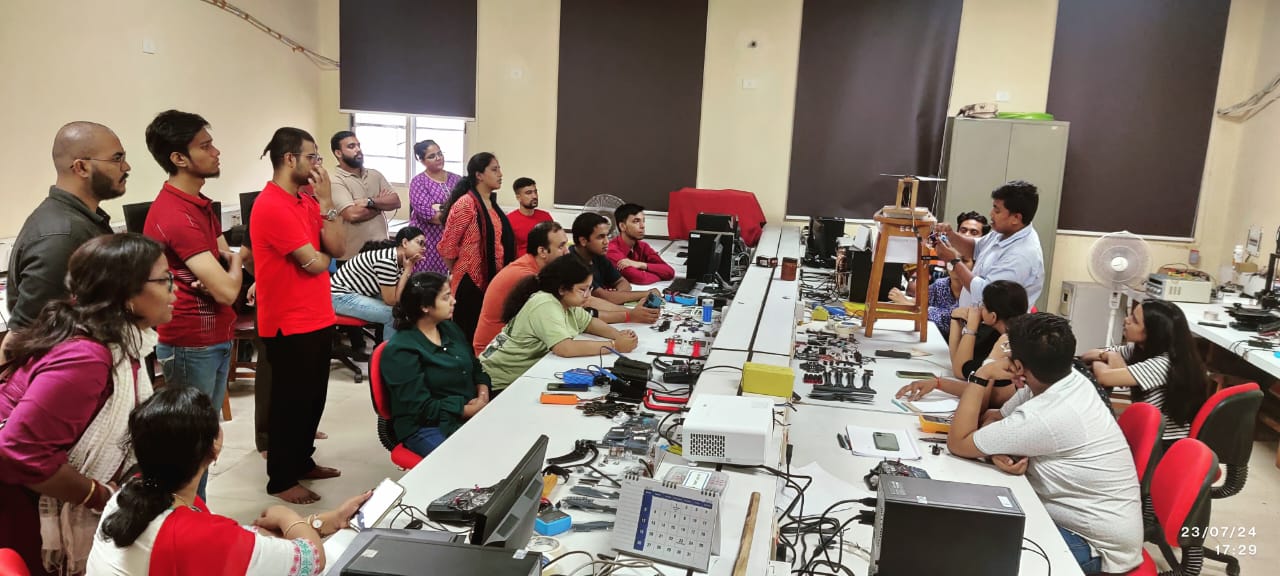
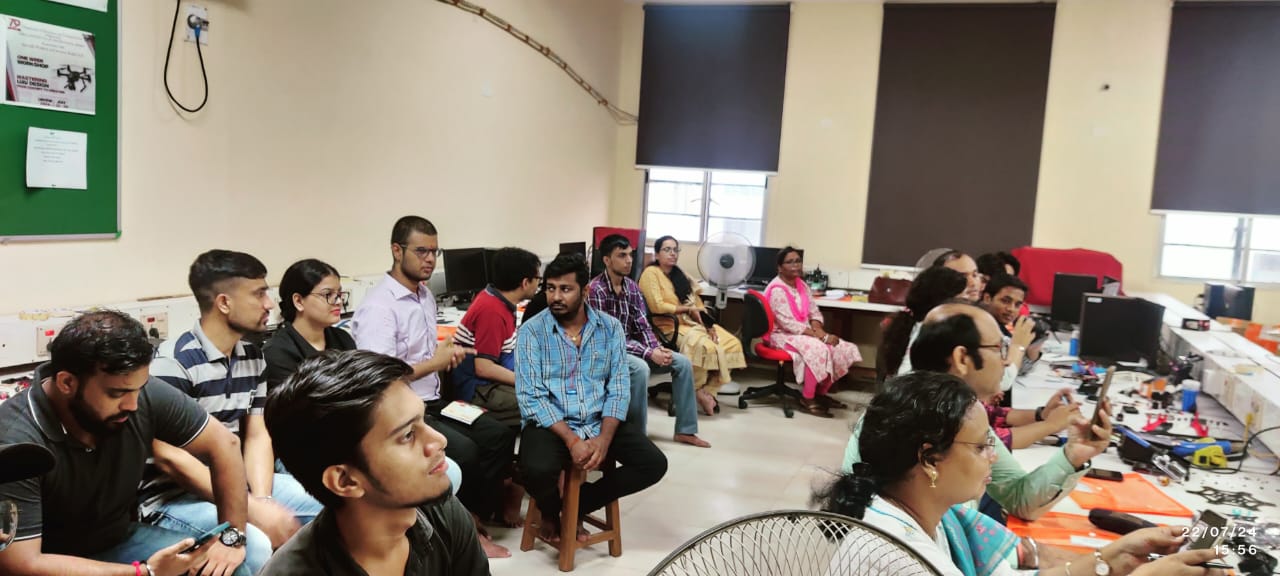
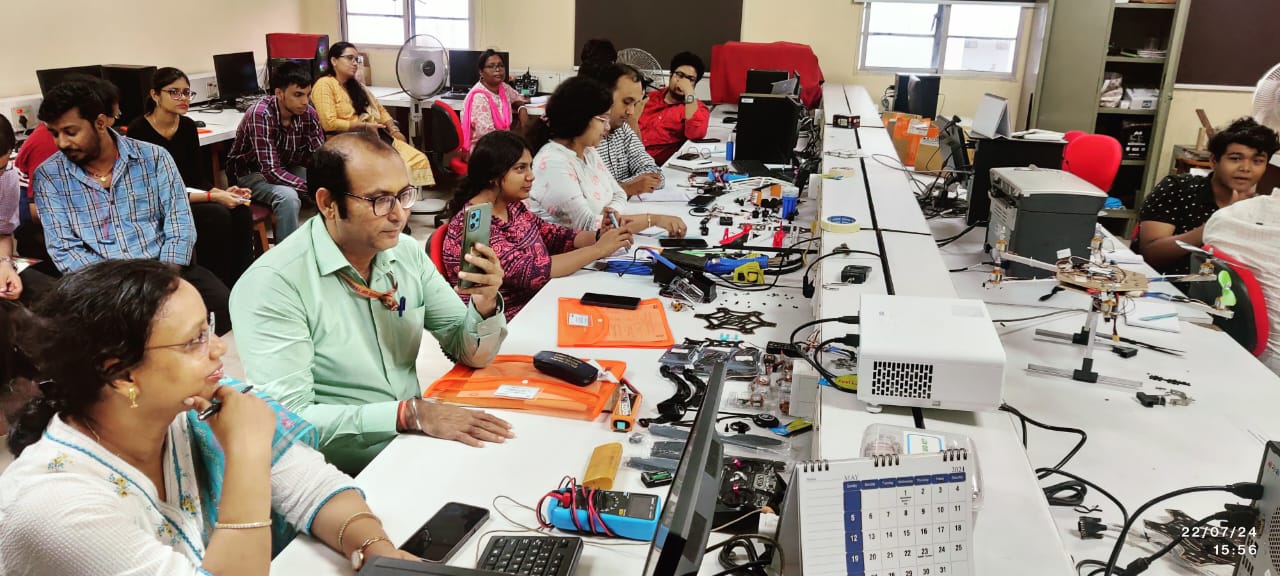
Hands-on autonomous drone development
Firmware, vision & AI implementation experience
Industry-grade projects & real-world scenarios
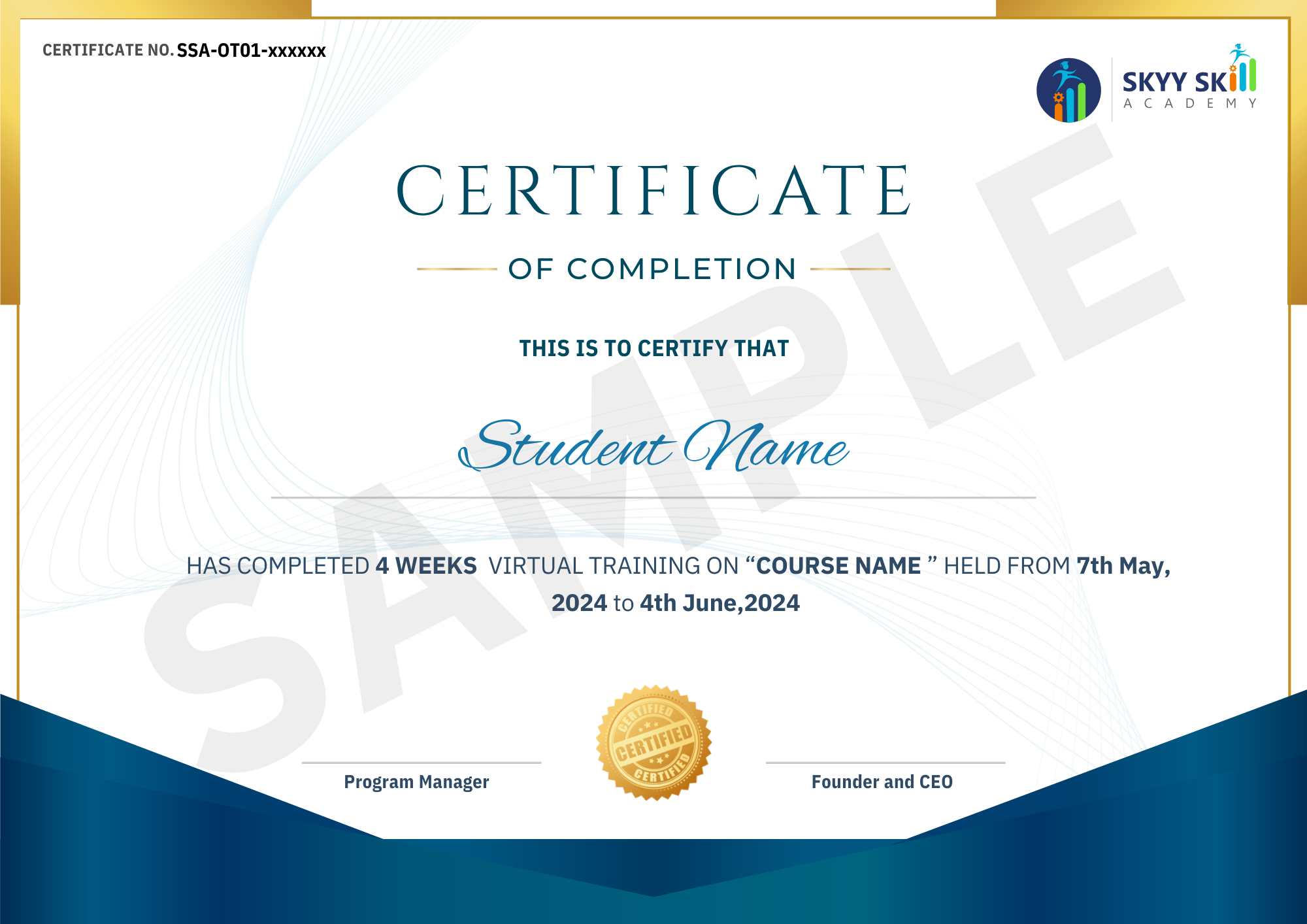
Advanced certification from SkyySkill

Get Advanced Certified in Drone Engineering & Autonomous Systems

This certification validates advanced expertise in AI-powered drones, autonomous navigation, flight firmware, and industry-ready UAV systems.

SkySkill Drone Engineering Certificate

Certification Benefits

Industry-Recognized Skill Validation

Demonstrates your hands-on expertise in drone engineering systems

Career & Resume Advantage

Strengthens your profile for R&D roles, startups, and UAV companies

Proof of Practical Training

Validates real-world experience in assembly, testing, and configuration

Lifetime Validity

Certification remains valid and relevant throughout your career

Meet Our Mentors

Learn from industry experts and certified professionals

Ankit Mandal

R&D Engineer

With 5 years experience in drone technology, currently working as R&D engineer at Skyyskill, Postgraduate in Remote Sensing & GIS from BIT Mesra, Ranchi. With project experience like Crowd detection drone, Gas leakage sensing drone, NDT inspection drones. Etc

Prerequisites

Age Requirement

Must be at least 18 years old to enroll in this course

Education

Minimum 10th grade pass (for basic course)

Medical Fitness

Basic medical fitness certificate required for DGCA exam

Equipment

No need to own a drone - all equipment provided during training

What's Included

Study Materials

Comprehensive e-books, video tutorials, and reference guides

Drone Access

Train with professional DJI drones worth ₹2-5 lakhs

Meals & Refreshments

Lunch and snacks provided during training days

Digital Sky Registration

Complete guidance for Digital Sky platform registration

Ready to Become a Drone Development Engineer?

Join our industry-oriented drone engineering program and gain hands-on experience in drone design, control systems, autonomy, and real-world deployment.

  • Hands-on drone build & testing
  • Industry-ready technical skills
  • Expert mentors & guided projects
  • Certificate of completion
Course Fee

₹41,999 + GST

Includes advanced labs • Accommodation extra

Limited seats available • Batch starts soon

Frequently Asked Questions

Clear answers to the most common questions about the program

Yes. As per DGCA regulations, anyone operating drones commercially in India must hold a valid certification. This program prepares you with the technical and regulatory foundation required.

No. All required drones, components, tools, and test equipment are provided during the training. You will work on multiple drone setups under expert supervision.

Graduates can explore roles in drone R&D, UAV startups, system integration, testing, field operations, and autonomous systems development.

Yes. Flexible installment options are available. Please connect with the admissions team for customized payment plans.